Every few weeks, a client asks me some version of the same question: should we wait until we can fill a full container, or ship a smaller, shared load now? It sounds like a logistics question. It isn’t. It’s a cash flow question wearing a shipping container’s clothes. After more than two decades working inside global supply chains, not just reading about them from behind a desk, I’ve learned that the businesses who get this decision right treat it as a moving target, not a one-off formula.
This guide breaks down what actually separates a Full Container Load (FCL) from a Less than Container Load (LCL) shared shipment, where each one genuinely pays off, and the hidden costs that most freight comparisons leave out entirely.
Shared Container vs Full Container: What’s the Real Difference?
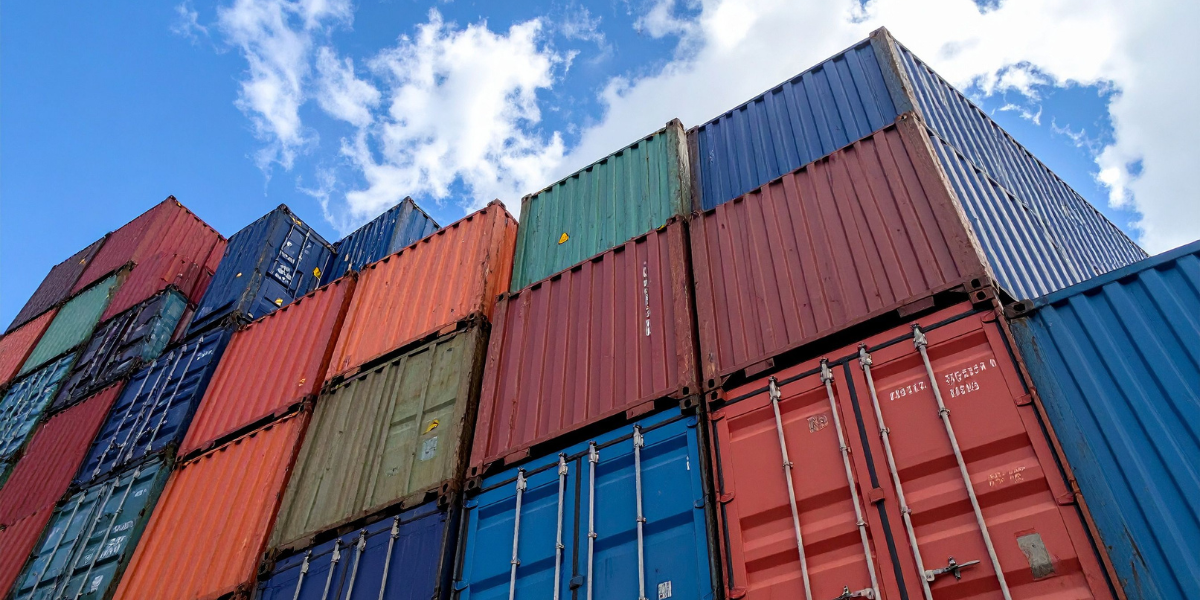
Full Container Load (FCL) means your goods fill an entire shipping container on their own. Less than Container Load (LCL), often called a shared or consolidated container, means your goods share space with other importers’ cargo, and you pay only for the volume you use.
On paper, FCL almost always looks cheaper per unit than LCL. You’re paying for the whole box either way, so if you can fill it, your cost per item drops. That’s the pitch you’ll hear from most freight forwarders, and it isn’t wrong. But it’s incomplete, and incomplete numbers are exactly what get growing importers into trouble.
The Hidden Cost Most Freight Comparisons Miss
What a simple per-unit freight comparison leaves out is the cost of the capital sitting in that container while you wait to fill it. I’ve sat with clients who were so focused on hitting an attractive per-unit rate that they didn’t notice they’d tied up eight weeks of working capital in stock they didn’t need yet, on top of warehousing costs they hadn’t budgeted for.
A properly built landed cost model includes:
- Financing cost on the capital tied up in inventory before it sells
- Warehousing and storage costs while stock waits to be used or sold
- Obsolescence risk, especially for seasonal or trend-led goods
- Opportunity cost of the cash itself, versus what else it could be doing
- Currency exposure between the order date and payment date
Once those are layered in, the FCL versus LCL answer can look very different from the one on the freight quote.
Where Shared Loads (LCL) Actually Win
LCL carries a premium on the freight line. You’re paying for consolidation, extra handling at origin and destination, and typically a slower transit time, since your goods wait for other cargo to fill the container around them. For a business with tight, predictable order cycles, that premium can be a perfectly sensible price to pay.
Shared loads tend to earn their keep for businesses:
- Testing a new product line or entering a new market
- Managing seasonal stock with a short commercial shelf life
- Sourcing smaller batches from manufacturing partners, including overseas suppliers, while validating demand
- Prioritising cash flow and flexibility over the lowest per-unit freight cost
A homeware brand testing three new SKUs doesn’t want six months of inventory sitting in a warehouse if the range doesn’t sell. A smaller, more frequent LCL shipment lets that business learn faster, react to demand faster, and avoid over-ordering just to make the freight math work.
Where Full Containers (FCL) Genuinely Pay Off
None of this means FCL is the wrong answer for growing businesses, quite the opposite once the fundamentals support it. FCL tends to be the more efficient route when a business has:
- Consistent, forecastable demand
- Healthy margins that can absorb the working capital tied up in fuller shipments
- Enough cash flow headroom to support longer lead times without straining the business
For businesses that meet those criteria, the savings from consolidating into fuller, less frequent containers compound as volume grows. I’ve helped clients restructure logistics arrangements, including ahead of major regulatory shifts like Brexit, where moving to fuller containers meaningfully improved landed cost per unit, because the underlying sales velocity supported it.
Don’t Forget Compliance and Customs Risk
Shared containers mean your goods are grouped with other importers’ cargo, which can occasionally mean delays if another shipper’s paperwork isn’t in order, or extra scrutiny at customs that has nothing to do with your own compliance. For time-sensitive goods, or contracts with penalties for late delivery, that’s a real cost that deserves a place in your model, not just a footnote.
Three Questions to Ask Before You Decide
When a client asks whether to consolidate into an FCL, I ask three things first:
- How fast does this stock actually turn once it lands?
- What’s your cost of capital, or what else could that money be doing if it weren’t sitting in a container?
- How confident are you in the demand forecast driving the order quantity?
If the honest answers are “not fast,” “expensive,” and “not very,” a shared load is very often the financially sound choice, even though it looks more expensive on the freight quote.
Building a Proper Landed Cost Model
The businesses that get the most value from this decision are the ones willing to build a genuine landed cost model rather than comparing freight quotes side by side. That means layering in financing cost, warehousing, currency exposure, and a realistic sell-through rate, not an optimistic one.
Once that model exists, the FCL versus LCL decision usually becomes clear, and it often shifts as the business grows. What made sense as a shared load in year one can become inefficient by year three, and vice versa if demand becomes lumpier or margins compress.
The freight decision is never really about the container. It’s about matching how your cash moves to how your goods move, so the two work together rather than quietly working against each other.
Frequently Asked Questions
Is LCL or FCL cheaper? FCL is usually cheaper per unit on the freight rate alone, but once you factor in the cost of capital tied up in unsold inventory, warehousing, and the risk of overstocking, LCL can work out cheaper overall for businesses with lower or less predictable order volumes.
How much slower is LCL shipping compared to FCL? LCL shipments typically take longer than FCL because your goods are consolidated with other shippers’ cargo, adding handling time at origin and destination. The exact delay varies by route and carrier, so it’s worth confirming transit times directly with your freight forwarder.
At what order volume does FCL make more sense than LCL? There’s no fixed threshold, it depends on your cost of capital, margins, and how quickly stock turns over. As a rough guide, once you can reliably fill 60 to 70 percent of a container with stock you’re confident will sell within your normal cycle, it’s worth modelling FCL properly rather than defaulting to LCL.
Does LCL shipping increase the risk of customs delays? It can. Because LCL shipments are grouped with other importers’ cargo, delays or paperwork issues affecting other shippers can occasionally affect your goods too, even if your own compliance is fully in order.
Should a new importer start with LCL or FCL? Most new importers, or those testing a new product or market, are better served by LCL. It reduces the amount of working capital tied up in unproven demand and gives you room to adjust before committing to full container volumes.
What is a landed cost model and why does it matter for this decision? A landed cost model captures the full cost of getting goods to market, not just freight. This includes financing cost, warehousing, currency exposure, and obsolescence risk. It’s the only reliable way to compare LCL and FCL on equal terms, since a freight quote alone only tells part of the story.
Where to Start
The best starting point is a conversation. Not a sales call, just a straight, no-jargon discussion about where your business is, where you want it to go, and whether there’s a genuine gap a fractional CFO could fill.
At Logical BI, this is the kind of work we do with UK business owners and their finance teams regularly. If you’d like a clear-headed look at your supply chain, or simply want to understand what a fractional CFO engagement would look like for your business, I’d welcome that conversation.
A shipping decision like this lives or dies on total landed cost, and that’s exactly the kind of number I help clients get right. See how I support manufacturers whose margins are under pressure.
Want your finance team thinking this way on every big call, not just this one? That’s the whole idea behind the Profit Harmony Hub.