There’s a particular kind of enthusiasm I see in manufacturers when they first start talking about expanding into Latin America. It’s usually triggered by one good conversation with a distributor at a trade show, an inbound enquiry from a buyer in Mexico City or São Paulo, a gap in the market that looks too obvious to ignore.
That enthusiasm is justified. The opportunity across the region is real, but having spent time on the ground across Latin America, including weeks assessing a manufacturing partner in Mexico, I’ve learned that the excitement of “we’ve found a buyer” and the reality of “we can deliver, get paid, and do it again next quarter” are two very different things.
This article covers what manufacturers need to have in place before the first shipment leaves the factory: documentation, currency risk, payment terms, logistics planning, and partner due diligence.
Latin America Is Not One Market
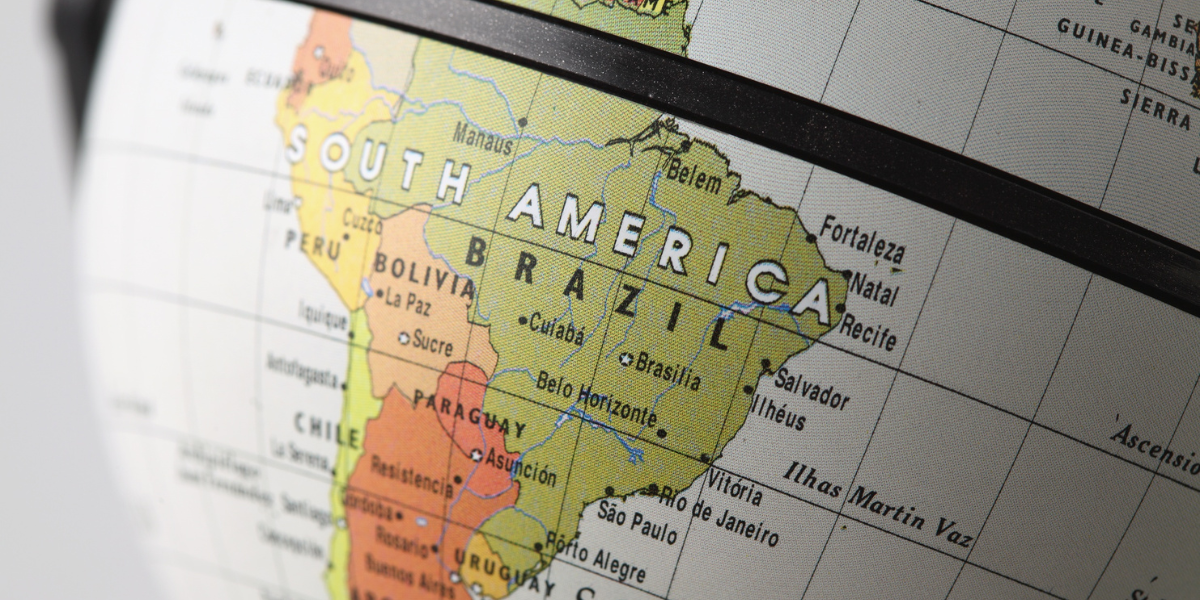
Latin America isn’t a single destination it’s a collection of markets. Mexico, Brazil, Chile, Colombia, Argentina and the wider Caribbean each have their own customs regime, currency risk profile, documentation requirements and commercial norms.
The single biggest mistake I see manufacturers make is treating the region as one opportunity, rather than a set of individually negotiated relationships that each need their own plan.
Get the Export Documentation Right First
Manufacturers naturally want to lead with the product, but before anything ships, the conversation that protects your margin is about paperwork: correct HS code classification, certificates of origin, and whether your product qualifies for preferential tariff treatment under any applicable trade agreement.
Get this wrong and the cost rarely shows up as a dramatic failure. It shows up quietly with a shipment held at customs, unexpected duties, or a distributor whose launch is delayed because the paperwork didn’t match the product description. I’ve seen a single misclassified shipment wipe out an entire quarter’s margin.
Currency Risk Belongs in the Finance Function, Not an Afterthought
Most manufacturers price in their home currency and assume exchange rate movement is the distributor’s problem. In reality, currency volatility across Latin American markets can be significant, and if it isn’t built into your pricing, payment terms and hedging approach from day one, your margin is exposed to a risk you never actually chose to take.
Before entering a new market, I ask clients:
- What currency will you invoice in?
- How quickly do you need payment to clear?
- What happens to your margin if the exchange rate moves 10% against you between order and payment?
If those questions can’t be answered confidently, the business isn’t ready to ship yet, it’s ready to have that conversation.
Model Your Working Capital Before You Sign
Payment culture varies market to market across Latin America, and terms often run longer than manufacturers are used to domestically or in Northern Europe. Distributors may expect extended credit as standard practice.
A distribution deal that looks excellent on the sales forecast can quietly starve the rest of the business of working capital if the cash conversion cycle hasn’t been modelled first. The fix is straightforward, but it has to happen before the contract is signed: model the cycle for that specific market and build appropriate terms or trade finance into the agreement from the start.
Plan the Full Logistics Route, Not Just the Shipping Lane
Freight into and across Latin America can involve longer transit times, more complex customs clearance and infrastructure variability once goods move inland. A route that works well for getting a container into a major port can fall apart once the product needs to travel on to a secondary city or across a land border.
Map the entire journey from port to warehouse to final destination and price in realistic transit times rather than the best-case scenario from a freight forwarder’s sales pitch. Building in a buffer protects both your margin and your customer relationship.
Vet Your Local Partner Properly
None of this is a reason to avoid the region, it’s a reason to go in prepared. A strong local distributor or agent, one who understands the regulatory landscape and has existing customs and logistics relationships, is worth the time it takes to find and vet properly.
Ask for references. Ask how they handle returns, how they manage currency exposure on their end, and how transparent they’ll be about landed cost. The right partner welcomes these questions. The wrong one treats them as an inconvenience and that tells you most of what you need to know before a single pallet ships.
The Bottom Line
Latin America offers genuine, sustainable opportunity for manufacturers willing to do the groundwork. But “willing to ship” and “ready to trade profitably” aren’t the same thing. Get the classification right, plan for currency movement, model working capital exposure, map the real logistics route, and choose your local partner as carefully as you’d choose a member of your own team.
Frequently Asked Questions
What documentation do manufacturers need before exporting to Latin America? At minimum, correct HS code classification for the destination country, a certificate of origin, and confirmation of whether the product qualifies for preferential tariff treatment under any relevant trade agreement. These should be confirmed before pricing is quoted, not after an order is placed.
How does currency risk affect manufacturers exporting to Latin America? Exchange rate movements between order and payment can significantly erode margin if they aren’t accounted for in pricing, invoicing currency and payment terms. Manufacturers should model the impact of a currency shift before entering a new market, not after the first shipment.
Why do payment terms in Latin America affect working capital? Distributors in many Latin American markets expect longer credit terms than manufacturers may be used to elsewhere. Without modelling the cash conversion cycle in advance, a successful sales relationship can tie up working capital the wider business needs.
Is Latin America one market for export purposes? No. Mexico, Brazil, Chile, Colombia, Argentina and the Caribbean each have distinct customs regimes, currency considerations and commercial norms. Each market needs its own plan rather than a single regional approach.
What should manufacturers look for in a Latin American distributor? A distributor with genuine local regulatory knowledge and existing customs and logistics relationships. References, transparency around landed cost, and clarity on how they handle returns and currency exposure are strong indicators of a reliable partner.
Do I need a fractional CFO to expand into Latin America? Not necessarily, but manufacturers entering new international markets often benefit from finance-level input on currency risk, working capital and documentation before contracts are signed — particularly if this expertise doesn’t already exist in-house. A fractional CFO can provide this on a flexible, as-needed basis.
What next?
Whether you need hands-on director-level support or structured CFO guidance to build capability in-house, there’s an option that fits. Because when finance is used properly, it becomes one of the most powerful tools a leadership team has.
If you’re turning over £500K–£30M and want greater financial control without the cost of a full-time CFO, let’s schedule a focused 30-minute conversation. It could prove to be one of the most valuable half-hours you invest in your business this year.